Understanding Professional Junk Removal
By Nathaniel K. Whittaker / Oct 13
In today's world, where sustainability is more than just a buzzword, understanding the intricacies of commercial waste disposal is essential for any business striving to improve its environmental footprint. Each decision regarding waste management can significantly influence operational costs and company reputation.
Monitoring waste management is essential for sustainability and operational efficiency. The following KPIs are vital for tracking success:
Percentage of waste diverted from landfills through recycling and composting.
Amount of non-recyclable materials found in recycling streams.
Reduction in disposal costs as a result of improved waste management practices.
Percentage of employees actively engaged in waste reduction programs.
When it comes to running a business, understanding the fundamentals of commercial waste disposal is crucial. Commercial waste refers to any waste generated from business operations, which can range from office supplies to construction debris. This waste not only takes up space but can also significantly impact your company's bottom line and reputation if not managed properly.
As someone who has spent over a decade in the junk removal industry, I can tell you that effective waste management is about more than just throwing things away. It involves understanding the types of waste generated and finding eco-friendly ways to dispose of them. By prioritizing responsible waste disposal, businesses can enhance their sustainability efforts and appeal to environmentally conscious consumers.
Commercial waste includes a variety of materials generated from different sectors. This can be divided into several categories:
The way a business handles its waste can have a substantial effect on its operations. Not only does poor waste management lead to fines and penalties, but it can also damage a company's reputation. Businesses that actively practice responsible waste disposal often find themselves more attractive to clients and customers who value sustainability.
Implementing best practices in waste management is essential for various reasons. First, it helps in reducing the overall waste generated, which in turn lessens disposal costs. Secondly, adopting eco-friendly practices can enhance your company's image and attract customers who prioritize sustainability.
Here are key best practices to consider:
By following these best practices, businesses can not only manage waste more effectively but also foster a culture of responsibility that resonates with employees and clients alike.
Understanding waste generation is a vital part of effective waste management. Businesses produce various types of waste based on their operations and the nature of their services. When waste is generated, it doesn’t just disappear—it has consequences for both the environment and the business itself.
The consequences can include:
As a business owner, focusing on reducing waste generation can foster sustainability and improve operational efficiency. By prioritizing smart disposal practices, you can lead by example, just like we strive to do at JunkioPro. This approach not only helps our clients but also makes a positive impact on the community and environment.
Did you know? Regularly engaging your employees in waste management initiatives can significantly enhance your company’s sustainability efforts. Consider implementing a friendly competition to encourage recycling and waste reduction. This not only boosts morale but also fosters a sense of responsibility and teamwork among employees.
In today’s fast-paced business world, continuous improvement is essential for effective waste management. At JunkioPro, we understand that tracking and enhancing our waste disposal processes is vital for our clients and the environment. By creating a framework that allows businesses to regularly evaluate their waste management efforts, companies can find opportunities for optimization and sustainability.
Establishing a consistent documentation process helps organizations keep track of their waste management activities. By documenting processes, businesses can identify areas that require improvement and measure their progress. This practice not only enhances transparency but also engages employees in the overall waste reduction initiative.
Key Performance Indicators (KPIs) serve as guiding metrics to assess the effectiveness of waste management efforts. For businesses aiming to refine their waste disposal strategies, it's crucial to set clear KPIs that align with their sustainability goals. By tracking these indicators, you can gain insights into what's working and what needs adjustment.
Some common KPIs to consider include:
Identifying the right KPIs can create a robust waste management strategy. Here’s a closer look at some key indicators to track for ongoing success:
By focusing on these metrics, businesses can ensure that their waste management systems are continually evolving and improving.
Embracing technology can significantly enhance waste management efforts. At JunkioPro, we leverage tech solutions to streamline our processes and provide our clients with better insights into their waste disposal practices. From smart bins to waste tracking software, technology plays a key role in modern waste management.
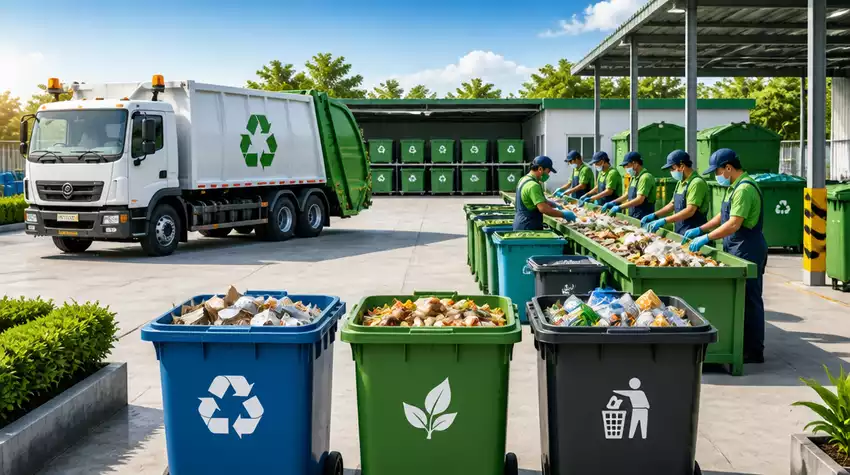
Implementing smart bins can elevate waste management practices by providing real-time data on waste levels. For example, these bins can notify your team when they need to be emptied, improving collection efficiency and reducing overflow. Additionally, waste analytics tools can help you understand trends in waste generation, enabling data-driven decisions. For more insights, explore tech solutions for junk removal.
Here are some benefits of integrating technology into your waste management system:
By harnessing the power of technology, businesses can transform their waste disposal strategies, making them more effective and sustainable.
Implementing a comprehensive waste tracking system is essential for any business aiming for sustainability. This system should document each step of the waste management process, from collection to disposal, ensuring that all data is easily accessible and analyzable. By understanding the flow of waste, companies can identify inefficiencies and make informed changes.
Some useful features to include in your waste tracking system are:
By effectively utilizing waste tracking systems, businesses can cultivate a culture of accountability and continuous improvement, aligning closely with JunkioPro’s mission of promoting sustainable practices. For further reading, consider our guide on eco-friendly home junk removal.
Here is a quick recap of the important points discussed in the article:
By Nathaniel K. Whittaker / Oct 13
By Nathaniel K. Whittaker / Oct 03
By Nathaniel K. Whittaker / Sep 27